
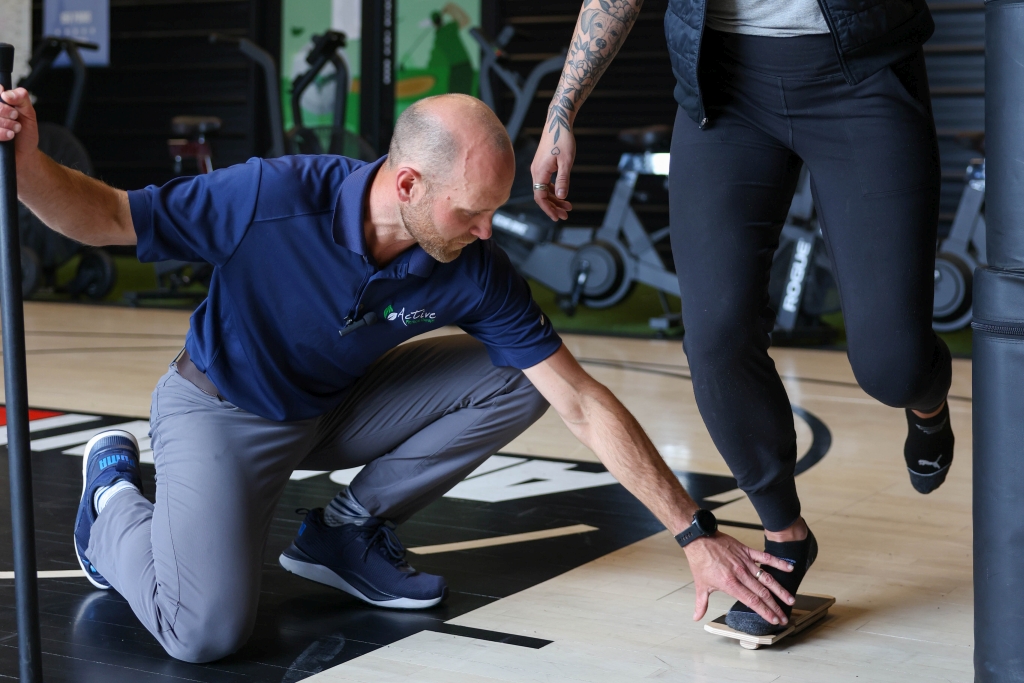
Physical therapy is crucial for rehabilitation after an injury. It helps you recover from your injuries quicker, get back to your normal life faster, and improve your overall quality of life. Additionally, it can help those struggling with mobility issues or chronic illness or pain get to a more manageable state of living. However, if you’ve never had to work with a physical therapist before, it may be difficult to know where to find a physical therapist and which one is right for you and your injuries.
Whether you’re looking to learn some simple exercises to keep you mobile, working to minimize pain through chronic illness, or need major rehabilitation services after a life-altering injury, physical therapists can help with it all. It’s important to learn which services you need and which specialty will be most effective for what you’re focusing on.
By understanding what a physical therapist does, the benefits of physical therapy, and the type of injury you are recovering from, you can find the physical therapist that works best for you.

How to find a good physical therapist
The first and most important step of beginning your physical therapy journey is finding a physical therapist. Contrary to popular belief, physical therapists operate in more than just hospitals. Physical therapy services are also available in outpatient clinics, preventing the need to go to the hospital repeatedly and allowing patients, especially those in rural areas, to find services closer to home. However, before starting to work with any physical therapist, contact your insurance provider to gain information on what is and isn’t covered by your insurance to prevent any surprises further down the road.
It’s important to make sure that the physical therapist you’re working with is properly licensed and trained to work as a physical therapist. Look for licenses displayed in the clinic, or degrees such as DPT (Doctor of Physical Therapy), PTA (Physical Therapy Assistant), MSPT (Master of Science in Physical Therapy), or PT (Physical Therapist). All of these degrees establish that your physical therapist has undergone the necessary training and passed the licensing exams to properly treat you and prevent any further injuries.
Pay attention to what your physical therapist specializes in. Specialties vary widely and are crucial to understanding how they can help you. Common specialties include:
- Neurology – the understanding of how nerves communicate with each other and with your body and brain
- Orthopedics – an emphasis on the musculoskeletal system, including joints, muscles, ligaments, and bones
- Pediatrics – a focus on all types of therapy for children ages 0-21, including balance, motor skills, strength, and coordination
- Cardiovascular/Pulmonary – improving heart and lung health, normally after a heart attack or the development of other heart conditions
- Women’s Health/Pelvic Floor – a focus on the unique musculoskeletal, pelvic floor, and gynecological needs of women’s health in physical therapy, and pelvic flor health in men
- Sports Medicine – an emphasis on sports-related injuries and the proper prevention and treatment techniques unique to the goals of athletes
- Geriatrics – a focus on all types of therapy for adults aged 55+, specializing in mobility, balance, and reducing fall risks
If you’re not sure what specialty of physical therapy is right for you, it’s recommended to schedule a consultation with a physical therapist. All licensed physical therapists can give a consultation, and from there, they can recommend whether you should continue working with them or switch to another physical therapist with a different specialty.
What does a typical physical therapy evaluation look like?
If you’ve never had a physical therapy evaluation before, the thought of attending one may be daunting, especially if you don’t know what to expect. However, it’s a much simpler process than you may think.
I. Initial Evaluation of Your Symptoms and Goals in Physical Therapy
The first step is an initial evaluation of your symptoms’ current limitations, and discussing what your goals are in physical therapy. The therapist will ask questions and get an idea of where and when you are having symptoms, what the cause is and how it can be treated. From there you work together to create goals. These goals could be as simple as wanting to lift your grandkids or as extensive as learning how to walk again. These goals are personal and unique to you and what you’re aiming to get out of physical therapy.
II. Physical Exam and Assessment of Motion
From there, the physical therapist will perform a physical exam, testing your range of motion, movement, strength, mobility, and potentially more, doing special tests to target the issue, depending on what you’re looking to improve. It’s important to be honest and communicate with your therapist throughout the physical exam, making sure you mention if anything hurts or if you’re having issues moving a specific body part, or any other symptoms that come up during the assessment.
III. Creating a Personalized Physical Therapy Treatment Plan
The next step is creating a personalized treatment plan. This involves more specific goal-setting and how you and your physical therapist will achieve that. A treatment plan will consist of not just corrective exercises and retraining activities specific to your injury, but education on the many factors that go into improving your condition and how it can impact its healing. Treatment may also consist of manual therapy, modalities to improve pain and function, along with many other options, depending on the specialty. You can also expect your physical therapist to go into more detail about how many sessions you may need and what each session will entail.
IV. Putting Your Physical Therapy in Motion
Lastly, it’s time to put the plan in motion! You’ll start sessions with your physical therapist, beginning with at-home exercises, and working on various stretches and corrective exercises to keep progressing between sessions. While sessions are important with your physical therapist, it’s also crucial to perform these exercises correctly while working on your own at home. This ensures you can continue progressing between sessions and take an active role in your recovery. Consistency is key.
Physical Therapy in Marquette, MI
Finding a physical therapist is an important and incredibly personal decision. You want to make sure you’re set up for success in healing from your injuries and working towards becoming a healthier version of you with a therapist who’s right for you.
For options in Marquette County, be sure to visit Active Physical Therapy, with locations in Marquette and Ishpeming. Our physical therapists are ready to start working with you to find the best version of yourself!